Songs to Moon Changes the Scale of Stoned Jesus
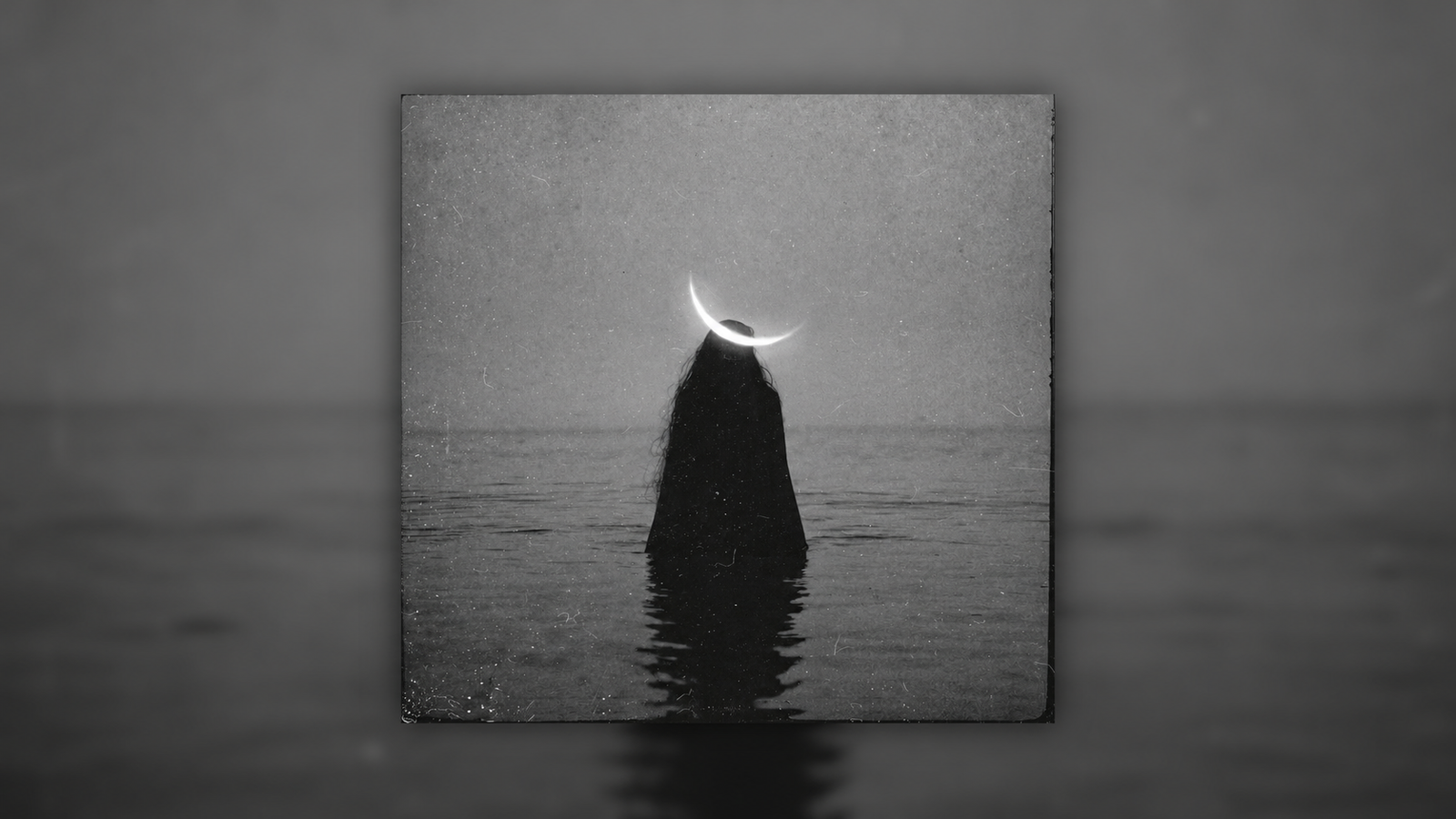
Stoned Jesus’ Songs to Moon moves from heavy riffs to acoustic solitude. Read our original review of seven tracks, their emotional pull and their limits.
Genre: stoner doom, psychedelic rock, progressive rock
The middle album of a trilogy has an awkward job. It must continue a design and still make its own change irreversible. Stoned Jesus’ Songs to Moon, released on 16 October 2026, does that by altering scale across seven tracks. It begins with the crowded force of “Under the Skin”, places the wordless “Syzygy” at its centre, and ends close to an acoustic guitar and a voice asking for enough strength to face another day. The movement is not from heavy to light. It is from enclosure to exposure.
“Under the Skin” refuses to provide that relief straight away. The guitars come in heavy, the drums keep pushing the weight forward, and Igor Sydorenko’s voice sounds as though it is addressing a thought that has followed him into the room. The performance has the thick, familiar pressure of stoner doom, with passages that pull against the easier comfort of a settled groove. There is movement inside the heaviness, though. The opening song keeps its distance from the listener even when the band is playing at full force. That resistance makes a useful starting point.
“Velvet” changes the surface without quite easing the unease. A more inviting melodic line runs beside the fuzz, and the singing moves through the music with a tired steadiness that feels more revealing than a grand outburst would. Its returns to heavier passages suggest how easily an apparently calm thought can be taken over by an older worry. It is a lovely, bruised song. And, perhaps because its melody stays within reach, the darker feeling underneath is slow to leave.
“ZYX” makes the album restless again. Its harder guitar figures keep circling into new shapes while the percussion drives the song onward; the shifts create the sensation of someone pacing while trying to finish an argument with themself. The band is good at making that motion feel physical. But the song also begins to expose a limitation of this first half: one passage of pressure can follow another before a distinct emotional idea has had room to develop. There is excitement in the playing, certainly. There is less space in which to remember what the excitement was for.
Where Stoned Jesus’ Songs to Moon Finds Its Hinge
“Syzygy” arrives without a sung explanation. Its quiet opening gathers weight, then recedes, and the missing voice changes the listener’s relation to the band. The instrumental sits at the centre of the sequence as a hinge, not an intermission. A wordless piece might seem an odd place to locate the album’s most conversational turn. Here it is the first time the record allows a question to remain unanswered.
Then “Jackal” makes a point of answering in several voices, musically speaking. The song is theatrical, moving from cautious passages into fuller, more combative sections and giving Sydorenko room to sound both wary and confrontational. It is the most visibly ambitious stretch on the album, a small drama with changing rooms rather than one repeated scene. The shifts keep asking for renewed attention, and some are genuinely startling. The trouble is that the performance occasionally seems more interested in making another entrance than in staying with the one it has just made. The extra time is not always earned.
“Window in My Room” lasts more than eight minutes, yet its acoustic-led intimacy asks for a different kind of patience. The guitar patterns feel close enough for the listener to notice the space between notes, while the vocal no longer fights to stand above a wall of sound. The song stays in that exposed setting until quiet becomes pressure of its own. Nothing outside the arrangement needs to be invented for the solitude to register.
Still, a quieter arrangement cannot carry an eight-minute song merely by being quiet. “Window in My Room” lingers over its mood, and the length sometimes makes its emotional direction feel suspended rather than deepened. A shorter piece might have preserved more of its ache. Yet the decision to remain with this exposed setting matters in the album sequence. After the restless demands of “ZYX” and the shifting drama of “Jackal,” the band seems willing to let the listener become uncomfortable without immediately changing the subject. That is a meaningful choice, even when the result asks for more patience than it fully repays.
What the Trilogy’s Middle Chapter Removes
The closing “One More Empty Day” takes that willingness further. It starts with environmental sounds around a lightly picked guitar figure, then allows Sydorenko to sing as if the words have only just become possible to say aloud. The lyric describes passing through another day while feeling unable to change much about it; later, the voice asks for the strength to keep living through the next one. There is nothing abstract about that appeal. When the fuller strumming comes in, it feels less like a release than the effort required to make an ordinary morning happen again.
That song is also where the album’s restraint shows its value most plainly. The melody is simple enough to remember, the acoustic guitar never pretends to solve the problem in the words, and the repeated phrase grows more worn as the song progresses. It is difficult material, delivered without treating exhaustion as something picturesque. The surrounding street sounds return near the end. The world outside the song has carried on doing whatever it was doing, without making any provision for how hard the morning has become.
There is a risk in this kind of ending. A closing song about getting through another day can invite the listener to supply a comforting conclusion that the recording has not actually offered. “One More Empty Day” does not provide one. Its final returns to the same words make perseverance sound repetitive and unglamorous, closer to another task on the day’s list than a heroic transformation. This is a harsher idea than the record’s louder moments suggest. It also feels more carefully observed.
The contrast between the first and last tracks is the album’s strongest argument. “Under the Skin” builds enclosure from guitars and drums; “One More Empty Day” leaves a person inside a less protected sound. Between them, “Syzygy” changes the scale by removing the voice, while “Velvet” lets melody make darker material unexpectedly familiar. Not every experiment lands with equal force. The sequence makes the differences matter.
Songs to Moon is at its best when Stoned Jesus trust a phrase, a voice or an unresolved silence to do the work. “Jackal” occasionally overplays its hand and “Window in My Room” can linger longer than its direction requires. The closer gives that excess somewhere human to arrive. This middle chapter advances the trilogy by subtracting protection.
Buy or listen to the album on Bandcamp
Learn why Besvärjelsen’s Till Glömskan Ad Oblivionem Is a Record About Losing Your Own Habits