How Soen’s Seventh Album Proves That Comfort Is the Enemy of Progressive Metal
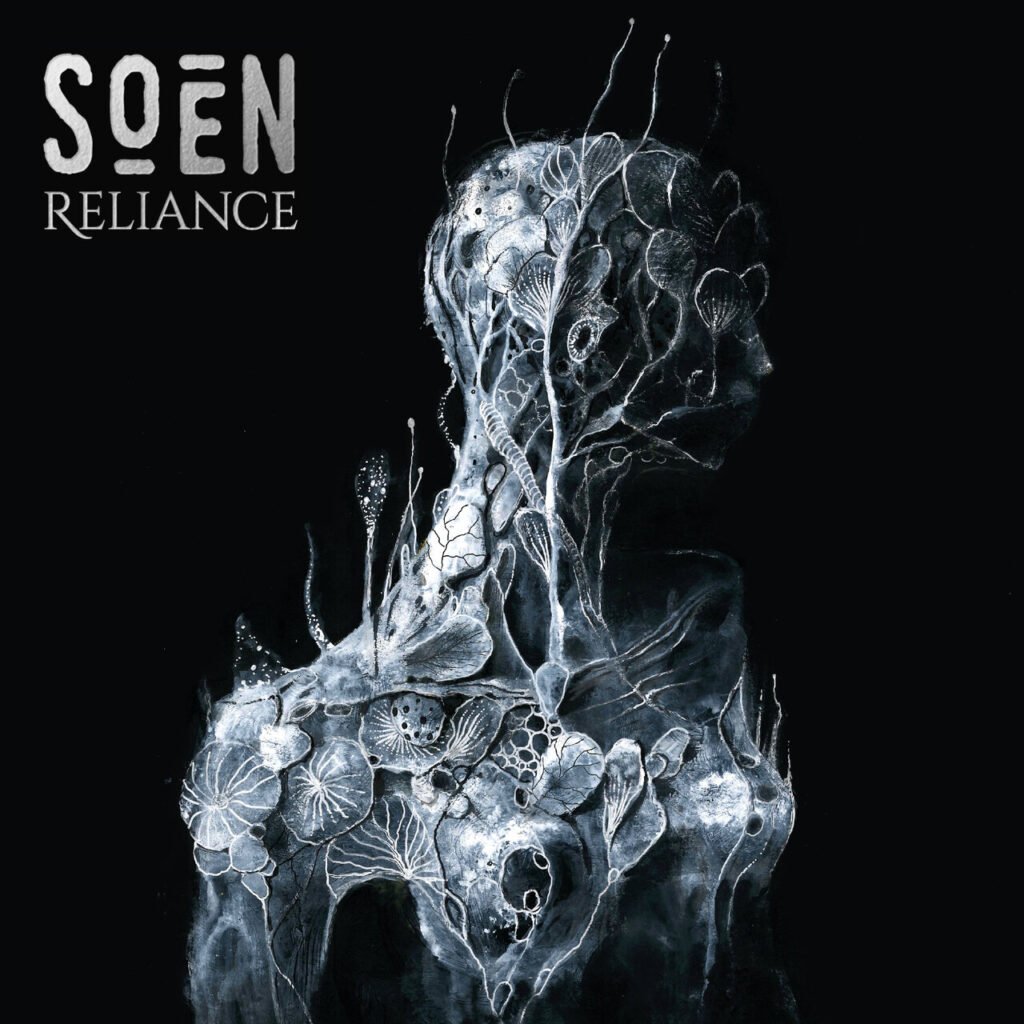
Soen Reliance. Seven albums in, a perfected formula that never quite surprises. Triumph or warning?
Genre: Progressive Metal
Seven albums in, Soen have achieved something progressive metal bands rarely survive. A formula. Joel Ekelöf sings with controlled emotional precision over Martin Lopez’s polyrhythmic drumming, and the result is consistently good, reliably engaging, and increasingly predictable. Reliance does not change this equation. It perfects it. Whether that perfection is a triumph or a warning basically depends on what you want from a seventh album.
Why Soen’s Reliance Perfects a Formula Instead of Breaking It
The record opens with “Primal,” a superb track showing the full dynamic range, heavy riffs, throbbing beats, then sudden fragility with Ekelöf taking centre stage. It is the clearest statement of the Soen thesis the band has recorded, which is that heaviness and vulnerability are not opposites but the same gesture performed at different volumes. “Mercenary” and “Discordia” follow with the mid-tempo confidence that has defined the last three records, and the transition between them is handled so smoothly that a distracted listener would not notice the track change.
Lopez remains the most underrated drummer in the genre. His Opeth tenure gets cited constantly, and it flattens what he actually does now, which is a rhythmic approach built on restraint rather than density. He plays fewer notes than almost anyone at his level. The ones he plays land harder because of it. Ekelöf, for his part, has developed into a vocalist who can carry an entire song on tone alone, and on the quieter passages of Reliance he does exactly that, sitting in the mix rather than above it.
The problem is that none of this is new. The band found their sound around Lykaia in 2017 and have been refining rather than expanding it ever since. Reliance is the most polished version of an idea that stopped evolving a while ago. Every riff sits where you expect. Every dynamic shift arrives on schedule. The production, warm and spacious, does nothing to disrupt the pattern. For a genre built on the premise that the next section should surprise you, that predictability is a structural problem rather than a stylistic preference.
The Case for Standing Still
Here is the counterargument, and it is a decent one. Consistency is genuinely hard. Most progressive metal bands producing their seventh album are either coasting on nostalgia or chasing a trend that does not suit them. Soen are doing neither. They are making the record they want to make, at a level of craft most of their peers cannot reach, and the fact that it sounds like their previous three records may well be the point. The Tool comparisons that dogged the early albums have long since stopped being useful. Soen sound like Soen now. That took work.
Whether that is enough depends entirely on whether you already own Lotus and Imperial. If you do, Reliance offers refinement rather than revelation. If you do not, this is a fine entry point into a catalogue with no weak records in it, which is a rarer thing than it sounds. The album is short at forty-three minutes, tight, and completely free of filler. There is not a wasted passage anywhere on it.
There is a structural reason the formula holds. Martin Lopez built his reputation on density in Opeth and has spent his Soen tenure playing considerably less than he can, which is the harder discipline and the one that ages better. Joel Ekelof can carry an entire passage on tone alone, sitting inside the mix rather than above it. A band with those two assets does not need to escalate, and escalation is precisely what wrecks most progressive metal seventh albums. Reliance runs forty-three minutes with no filler anywhere in it, which is a rarer achievement than a surprising riff.
Comfort is the enemy of progressive metal because the genre’s entire premise is forward motion. Soen have stopped moving forward. They have also stopped making mistakes. Those two facts are related, and Reliance is the sound of a band choosing the second over the first.
Whether that is the wrong choice depends on how many progressive metal seventh albums you have watched collapse under the weight of trying to be different.