Siete Finds Toundra Thinking in Rhythms
Siete by Toundra moves from hushed guitar figures to physical post-metal surges. This review follows the seven tracks and asks where their tension holds.
Genre: Post-rock, post-metal, post-hardcore
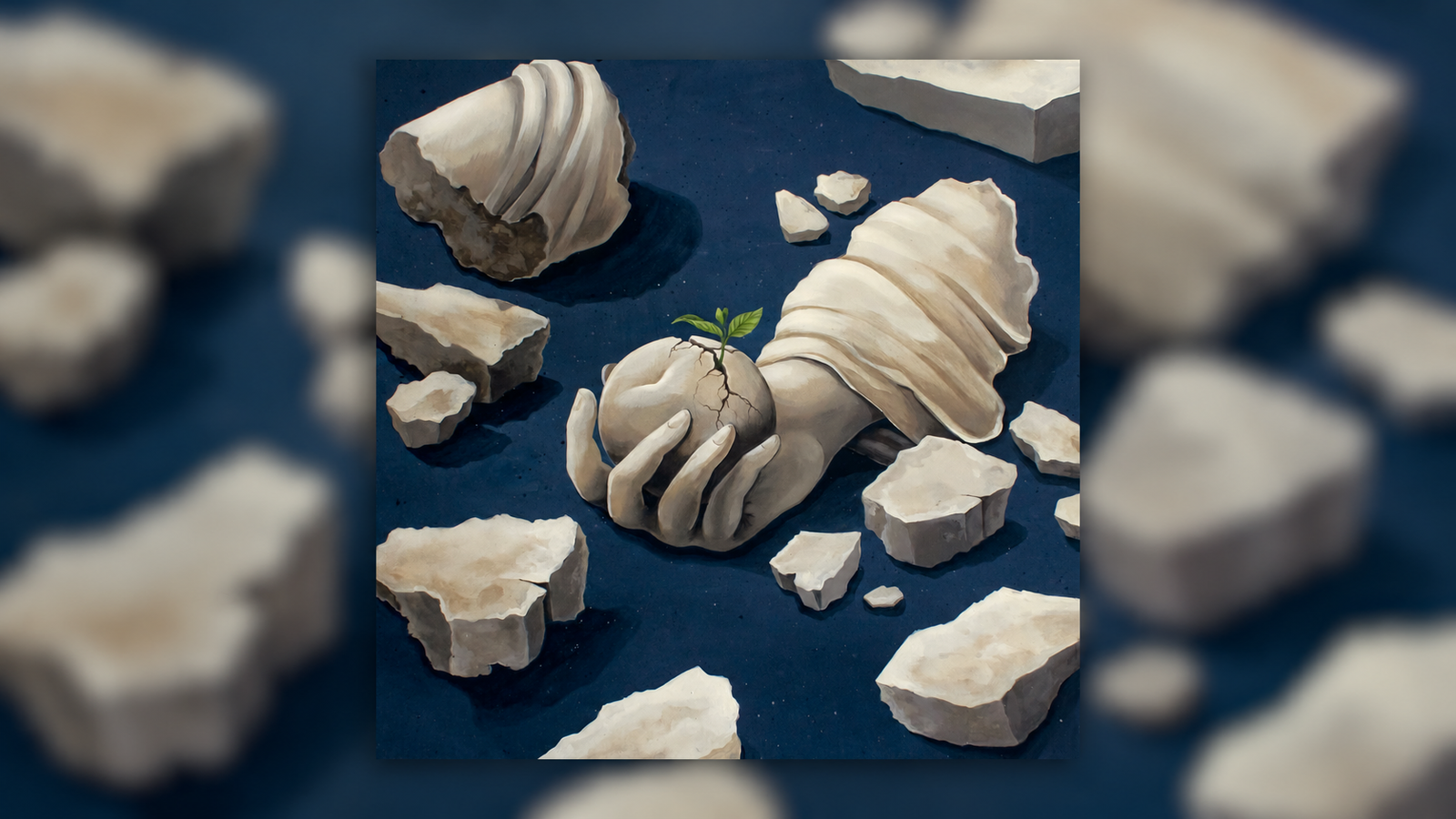
A guitar figure repeats until the ear stops treating it as information. Then the drum kit changes the terms. Siete by Toundra, released on 9 October 2026, keeps returning to that exchange across seven instrumentals. The Madrid quartet does not use volume as a destination so much as a way of revising what a quieter phrase appeared to mean. That is the record’s most persuasive habit. It is also the habit that becomes easiest to predict.
“Rapier” makes the case immediately with dry, sharply placed percussion and a bright little figure that seems almost too neat for the weight waiting behind it. Guitars expand across that pulse, and a tougher rhythm eventually pushes the piece into a more confrontational space. Around the middle, much of the force recedes; the music spends real time holding back before it rebuilds. The quiet interval matters because the earlier riff has already taught the listener how much room it can occupy. When the full band returns, the same space feels smaller.
That middle withdrawal is one of this album’s best decisions. A band that works without a singer cannot rely on a line of words to explain why a familiar passage has altered its meaning, so the instruments have to keep their own history. “Rapier” lets a percussive pattern do that work without dressing it up as a revelation. The guitar is articulate, the drums impatient. There is a lovely stubbornness to both.
“Eina” opens at a more measured pace, with restrained guitar lines that leave air between their phrases. The ensemble grows much fuller after its patient first stretch, and a recurring melodic idea remains visible while the rhythm grows heavier underneath. Here the feeling is less like a confrontation and more like someone deciding to stay in a difficult conversation. That sounds rather grand for a rock instrumental, admittedly, but the recording earns the comparison through its refusal to rush the opening. Its later minutes ask for patience rather than surprise.
“Wispar” starts with a similar reluctance to show its full hand, before the drums sharpen the pace and the guitars press into a more urgent exchange. Little rhythmic jolts keep the piece moving even when a melodic contour circles back. It is a satisfying rush. Still, three substantial tracks built around some version of hesitation followed by release create an expectation of their own. By the end of “Wispar”, a listener can begin anticipating the door opening before anyone touches the handle.
Why Siete by Toundra Makes Rhythm the Argument
“Costa Roja” unsettles the sequence without abandoning its language. A lean percussion figure and low recurring movement keep shifting the emphasis, so the track feels mobile before the guitars become heavy. Its late withdrawal does not merely prepare another rise. It changes which part of the pattern the ear has been following. The arrangement has a dry wit to it. Nothing announces the joke.
That track is also a useful reminder that heaviness can arise from how a rhythm insists on being heard. “Costa Roja” does not need to announce every change with a towering guitar chord. The lighter pulse makes the later distortion more disruptive, and the bass has space to be felt as movement rather than simply reinforcement. The textures remain recognisably Toundra, yet the shape is less predictable than the album’s opening sequence. It leaves a longer afterimage than several louder passages.
Then “30960” arrives and offers almost no such shelter. Its riffs are compact and forceful, its percussion drives ahead, and the recorded intensity stays remarkably consistent through most of the four-minute piece. This is the album’s least subtle stretch. It is also genuinely exhilarating when the guitars and drums seem to hit the same hard edge at once. The limitation follows closely behind the pleasure: with relatively little room to retreat, the next surge has fewer places left to go.
There is no shame in a track wanting to hit hard for its entire run. The issue here is placement, because the more elastic songs around “30960” have taught the ear to value resistance as much as impact. For a few minutes the album trades a complicated exchange for a blunt, persuasive sentence. That works. It just cannot carry the same kind of weight twice without asking for something else in return.
“Sizigia” provides that something else by reopening the space around its guitar lines. Its quiet opening permits the notes to linger, and the entrance of the stronger rhythm feels like a change of weather that has been visible for a while. The swelling arrangement is familiar by now, perhaps too familiar in outline, but the track finds a wistful turn in the way the melody continues through the thickening sound. It is easy to hear force as confidence; here the force seems to carry doubt along with it.
Seven Pieces, One Unfinished Exchange
“Uniforme” begins with another relatively sparse passage and gradually allows the drums and guitars to take up most of the available air. About a minute in, the track commits to a heavier movement; later it sustains a dense middle without entirely burying the melodic thread that led there. Rather than offering a grand final release, the ending holds its ground and then lets the last sound go. The album closes with an impression of unfinished business. That suits it better than a tidy victory would.
The Spanish title means seven, and there are seven pieces. The arithmetic is almost aggressively plain. The sequencing is not. “Costa Roja” changes the rhythmic footing, “30960” tests the appeal of direct impact, and “Sizigia” makes exposed space feel necessary again. Those placements prevent the record from treating greater volume as its only form of progress.
Toundra’s playing is especially persuasive when a melodic guitar refuses to disappear under the heavier parts. Even in passages with rougher edges, the line often remains traceable, which gives a listener something to remember once the drums settle. The best moments feel built for repeated listening because an earlier phrase gains a different colour later. There is skill here, but the skill seldom pushes forward to demand applause. It is put to work on timing, where a few seconds of delay can do more than a bigger chord.
The criticism remains. “Eina” sometimes stays too long with an idea after its emotional work has been done, while “Wispar” can make the familiar climb feel almost inevitable. “30960” supplies welcome aggression yet leaves less to discover once its initial attack is established. The album is at its strongest when the band permits a passage to change direction rather than merely rise in force. “Costa Roja” understands that distinction most clearly, and “Uniforme” brings it back at the end.
Instrumental music leaves emotional ownership with the listener. That freedom does not mean inventing a private story for the musicians. What can be heard here is more useful anyway: a drummer delaying the blow, a bass figure holding its position, a melody remaining traceable when the guitars turn abrasive. Restraint changes the response without dictating it.
Siete leaves one question active after “Uniforme” ends: what did the loud passage alter in the phrase that came before it? Toundra’s best answer is rhythmic, temporary and worth hearing again.
Buy or listen to the album on Bandcamp
Find out how Caspian Asks Memory to Carry the Melody in their latest album