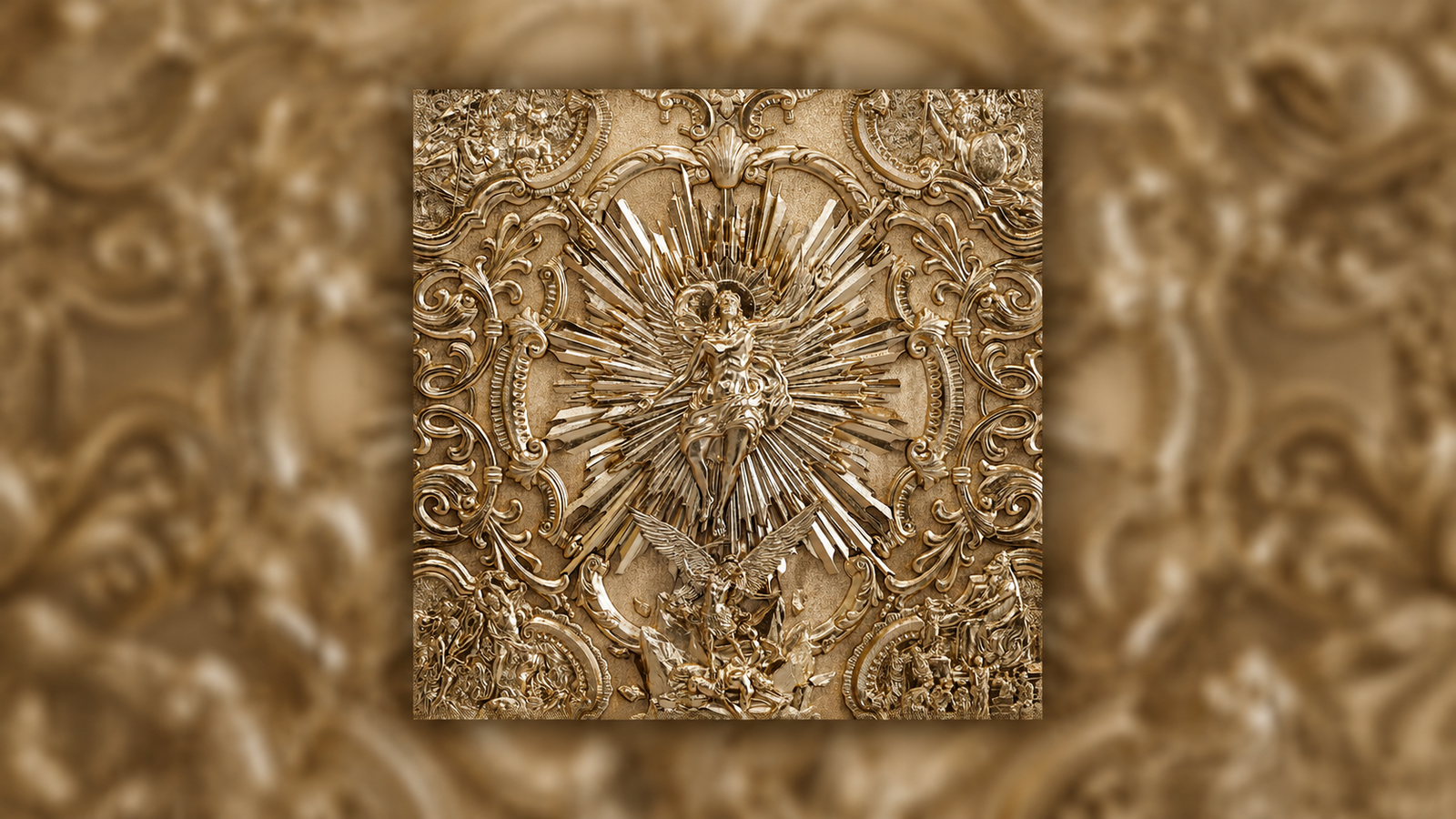
Why Polyphia’s BE NOT AFRAID Leaves an Old Fan Unconvinced
Polyphia BE NOT AFRAID review: an early fan weighs inventive guitars, trap-heavy rhythms and the uneasy gap between musical respect and personal enjoyment.
Genre: progressive rock, instrumental rock, trap
The guitar has not gone missing from Polyphia’s BE NOT AFRAID. It might have been easier to explain the disappointment if it had. Tim Henson and Scott LePage are still playing things that make an ordinary guitarist reconsider a perfectly comfortable evening. Yet much of this album leaves the instrument struggling for the listener’s attention against the electronic weight surrounding it. That is an impressive trick. It is also a slightly exhausting one.
Released on 23 October 2026, the record comes with a complication for anyone who knew Polyphia before the label years. The attachment was never just to speed. ‘Nightmare’ and ‘Euphoria’ had a restless musical personality, and ‘G.O.A.T.’ and ‘Playing God’ later made that personality impossible to ignore. Tim Henson’s playing persuaded people to pick up a guitar because the sounds seemed both absurdly difficult and worth chasing. A melody could make someone curious about the hands producing it. That matters when the new record asks those same ears to admire a rather different kind of spectacle.
‘LET THERE BE LIGHT’ makes its intentions clear quickly. A hard rhythmic push arrives, bright guitar details spill out around it, and the arrangement keeps finding another layer to add. The opening is genuinely exciting. Then the ear starts hunting for the phrase that will stay once the impact has passed. There are several contenders, but they keep having to queue for attention. Apparently, even a Tim Henson guitar line now needs an appointment.
‘WITH EYES TO SEE’ sharpens that problem. Little runs and clipped guitar figures are everywhere, played with ridiculous assurance, while the low end insists on having the final word. The song moves with purpose. It is less generous about allowing any one musical thought to breathe. ‘SCREWTAPE’ is another matter: its shorter, jumpier interruptions have a mischievous edge, and the sudden shifts seem to enjoy their own bad manners. Good. The record benefits from an occasional grin.
Where Polyphia’s BE NOT AFRAID Changes the Conversation
‘POWER IN THE BLOOD’ begins with enough restraint to make the heavier entrance count. Once the impact arrives, it feels earned, and the guitar playing meets it rather than simply decorating it. There is intelligence in that confrontation. But the album repeatedly returns to the same question: how much electronic pressure can sit around a guitar before the guitar stops feeling like the reason to be there? The answer will differ from listener to listener, won’t it?
‘THEY KNOW NOT WHAT THEY DO’ provides some of the most frustrating evidence. A quick guitar figure twists in an unexpected direction, the sort of tiny movement worth replaying, and the backing promptly occupies the space it leaves. The playing has wit. The arrangement is considerably less patient. ‘MARK OF THE BEAST’ takes the darker, more forceful impulse further, and there is something exhilarating about how firmly the parts meet. Still, the cumulative effect begins to flatten differences that are quite audible when the tracks are heard separately.
Then ‘CAN YOU FEEL IT’ turns toward outright bodily pleasure. Its dance character is unmistakable, and resisting that groove on principle would be rather silly. The pointed guitar gestures work within it, too. A new listener could reasonably hear this track and wonder what the objection is. The difficulty is that an old attachment to Polyphia involved following a melodic thought through its detours, not merely admiring how cleverly it shares space with a beat. Neither experience invalidates the other.
‘NEAR DEATH’ keeps its statement brief and severe. ‘J-BOMB’ makes a stronger case for the band’s present appetite, with agile guitar parts continually fitting themselves into the rhythmic push. Both have memorable details. The issue develops across the running order: several songs offer surprise in the moment, then leave the same dense sensation behind. It resembles opening twelve intricately designed boxes and discovering that a good number of them contain the same instruction to turn the volume up. The craft is undeniable. Variety is less certain.
A Difficult Record to Dislike for the Wrong Reasons
That complaint becomes more awkward when the record is considered from a musician’s and audio engineer’s perspective. None of these guitar parts sounds casually placed. The passages have to coexist with rhythmic material that is equally determined to be heard, and the result demands extraordinary control. The band has plainly taken the harder route instead of producing a comfortable sequel to its earlier success. There is real respect to be had for that choice. It would be absurd to ask four musicians to keep rebuilding the same beloved song indefinitely.
The longer ‘DENY THE FLESH’ lets the approach grow to an imposing scale. Its later accumulation is powerful, yet that size also exposes the weakness of constant saturation. A guitar phrase can be startling without being especially intimate. ‘DEVIL GET BEHIND ME’, by contrast, brings quick playing into clearer focus, and the effect is almost relieving. A listener should not have to feel grateful every time a guitar gets to finish a sentence on a Polyphia record, but here we are.
‘FEAR GOD’ finally makes some of the physical character of the playing easier to follow. Bends and rapid turns cut forward, the arrangement rises around them, and the closing minutes become more spacious. It is one of the more persuasive pieces on the album because the guitar occasionally feels capable of leading the argument again. The finish does not reverse the direction of everything preceding it. Why should it? Reinvention means allowing a new preference to remain visible, even if it costs a few old listeners along the way.
That is where the disappointment sits. This is an album that deserves considerable admiration for its nerve, its musicianship and the sheer imaginative work involved. It is also an album that this long-time listener does not enjoy very much. Both judgements can be true without turning the band into a villain or its audience into an obstacle. Polyphia have every right to make the record they wanted. The guitars still have remarkable things to say. But too often, the music around them has already started speaking. And is the bottom line.
Buy or Listen to the album on Bandcamp
Learn how How If These Trees Could Talk Turned Three Guitars Into an Orchestra Section