Why a 2001 System of a Down Song Is the Clinical Diagnosis of Your LinkedIn Feed
The system of a down chop suey meaning diagnosed your LinkedIn feed in 2001. The Aesthetic of Empathy, explained.
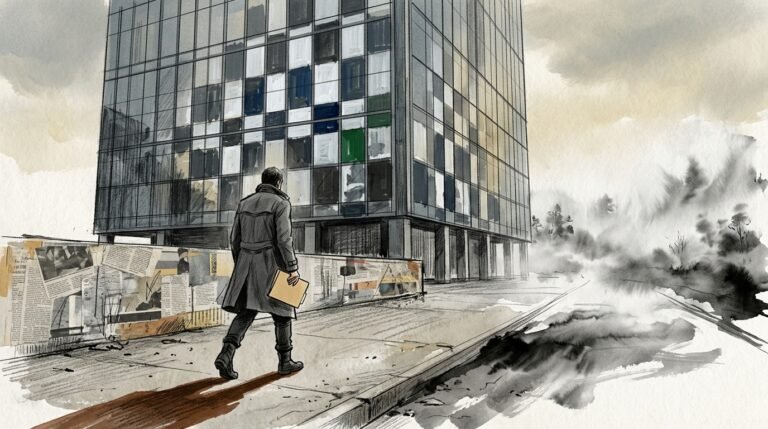
Open LinkedIn right now. Scroll for thirty seconds. Count the posts that begin with a personal tragedy and end with a product pitch. If you counted fewer than three, you have not scrolled long enough. This is not an accident. This is the whole architecture of the platform in 2026. Grief has become content. Failure has become content. The precise moment your marriage collapsed has become content, formatted in the three-line hook the algorithm rewards, punctuated by a black-and-white selfie in the specific shade of blue that HR departments have collectively agreed represents empathy.
It is embarrassing. Not for the person posting. For the culture that watches them post and clicks Like.
What System of a Down’s Chop Suey Called in 2001
In August 2001, System of a Down released Chop Suey! as the first single from Toxicity. Serj Tankian and Daron Malakian wrote it. The song was originally titled Suicide; the label made them change it. In it, Tankian describes a person waking up, applying makeup, hiding their scars so the damage fades from view, leaving something real behind and building fables in its place. The song earned a Grammy nomination for Best Metal Performance and has crossed 1.7 billion streams on Spotify as of June 2026.
Twenty-five years later, that verse, the makeup, the hidden scars, the fables replacing something real, is the operating instruction for every LinkedIn post about mental health. Wake up. Apply the vulnerability filter. Hide the actual damage. Post the version of the damage that will generate engagement. Log off. Repeat tomorrow. The song was written about self-destruction and denial. It has become, in 2026, the technical specification for a business model.
The Crying CEO
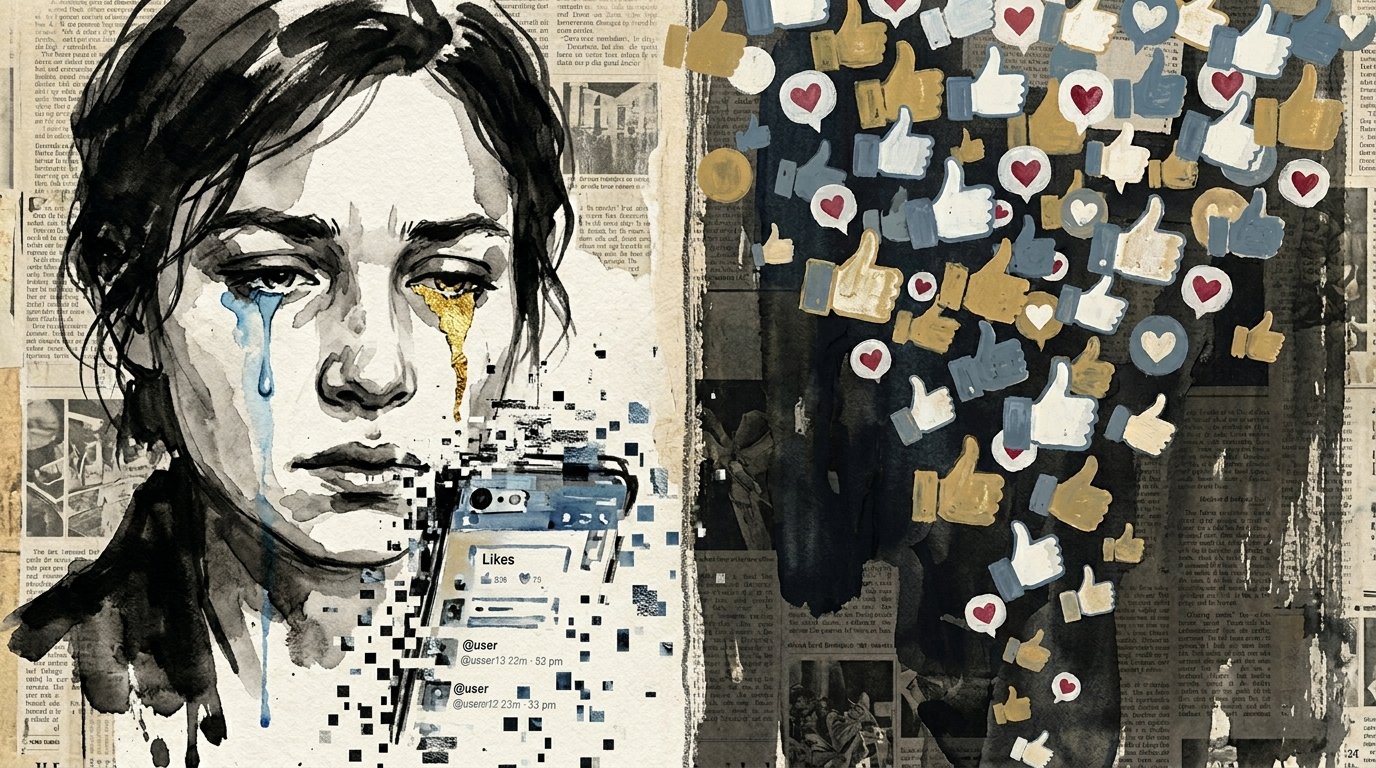
In August 2022, Braden Wallake, CEO of a company called HyperSocial, posted a photograph of himself on LinkedIn, face streaked with tears. The post opened with the sentence that became the template for the entire genre. Today was the hardest day of my life as a leader. Then a dramatic paragraph break. Then the reveal: he had just laid off employees. Then three paragraphs of self-directed grief. Then, at the bottom, a pivot to what the company would focus on going forward, which was essentially a product announcement. HyperSocial is based in Powell, Ohio, which is a suburb of Columbus. The post pulled over 31,000 likes. Wallake later adopted the crying-CEO framing as a personal brand.
Read the comments. Actually read them. Half are supportive. Half are enraged. Every single one is engagement. The algorithm does not care which side the commenter is on. It cares that they engaged. Which means the algorithm cannot tell the difference between genuine empathy and a controversy so hot people stop scrolling to be angry about it. Both feed the machine. Both raise the poster’s follower count. Who benefits when your grief generates engagement?
It is a shakedown.
The Aesthetic of Empathy
Call this the Aesthetic of Empathy: the compulsive conversion of private emotion into public content engineered for algorithmic approval. It is what happens when a platform’s business model requires escalating emotional stakes to sustain engagement, and the users who understand this begin farming their own lives for material. It is not a moral failure of the users. It is a structural feature of the platform. The platform selects for it. The users who refuse get less reach. The users who comply get promoted.
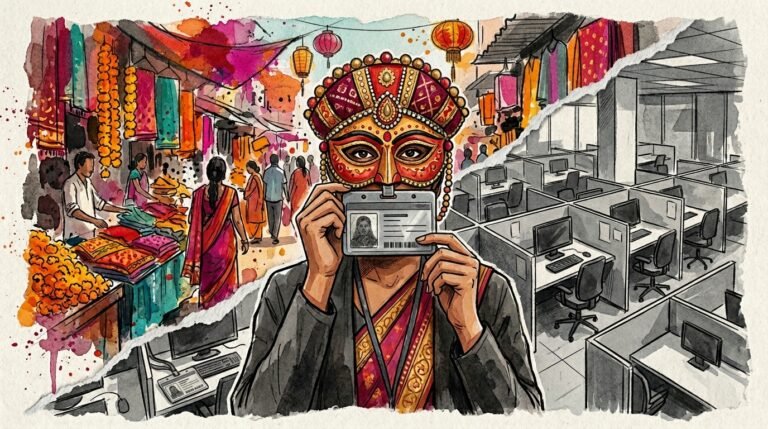
The Indian LinkedIn feed in 2026 has industrialised this to a specific degree. A recruiter posts a photo of an autorickshaw driver and uses the driver’s life to sell a paid resilience workshop. A founder posts about a late-night existential crisis and lands, three paragraphs later, on a new SaaS feature. The motivational-quote-over-sunset-photo genre now has its own visual grammar. When did the conversation about being human become more important than actually being human?
Stop it. Nobody is buying it. Nobody has ever earned trust by posting a photograph of themselves crying while also violating some contract about what is private and what is performance. The Aesthetic of Empathy is not about being empathetic. It is about performing empathy at scale, for an audience trained to consume emotion the way it consumes short-form video. The firing is real. The tears are real. The product pitch at the bottom is real too. That is the whole trick.
The Only Rebellion Available
Chop Suey! ends with Tankian screaming a phrase about self-righteous self-destruction. The song was, in 2001, about the ways human beings destroy themselves internally while performing normalcy externally. In 2026, the destruction is not internal. It is broadcast. The performance is not a mask. It is the product.
There is exactly one rebellion available to the professional who does not want to participate. Privacy. Not the kind that needs an encrypted app. The much simpler kind of not posting the tragedy. Not converting the loss into a lesson. Not making the failure legible to the algorithm. Keep the grief. Keep the fear. Keep the moment when the promotion did not come and the parent got the diagnosis. Keep those things for the people who actually know you, in the rooms the algorithm cannot enter. Then log in, post a competent professional update, and log out. Can you out-human an algorithm while playing by its rules? The answer is no. The algorithm was built to metabolise human emotion into engagement metrics. Every post you make in that register is a deposit into a system that pays you in dopamine and pays the platform in advertising revenue. The trade was never even. The only way to win is to refuse the trade. Tankian screams. The music collapses. The scars are still there. They are just being A/B tested now.
If you found some value in this diagnosis, you might also need to know Why Your AI Needs a Strict Indian Dad and a Two-Hundred-Dollar Bribe.
Sources and Further Reading
- Chop Suey! Song Wikipedia: https://en.wikipedia.org/wiki/Chop_Suey!_(song)
- Toxicity Album Wikipedia: https://en.wikipedia.org/wiki/Toxicity_(album)
- Braden Wallake HyperSocial CBS News: https://www.cbsnews.com/news/crying-ceo-linkedin-photo-braden-wallake-hypersocial-layoffs/
- Fortune Analysis Crying CEO Post: https://fortune.com/2022/08/10/ceo-crying-selfie-laying-off-workers-linkedin/
- Gallup Half of Indian Employees Want to Quit: https://gulfnews.com/world/asia/india/half-of-indian-employees-want-to-quit-jobs-gallup-1.500114812
- MIT Sloan Performative Vulnerability: https://sloanreview.mit.edu/