How Peter Hammill’s Tears In Time Holds Two Meanings of a Goodbye
Hammill leaves his title open while older recordings and a farewell to Bentley meet on an album about endings.
Genre: Progressive Rock
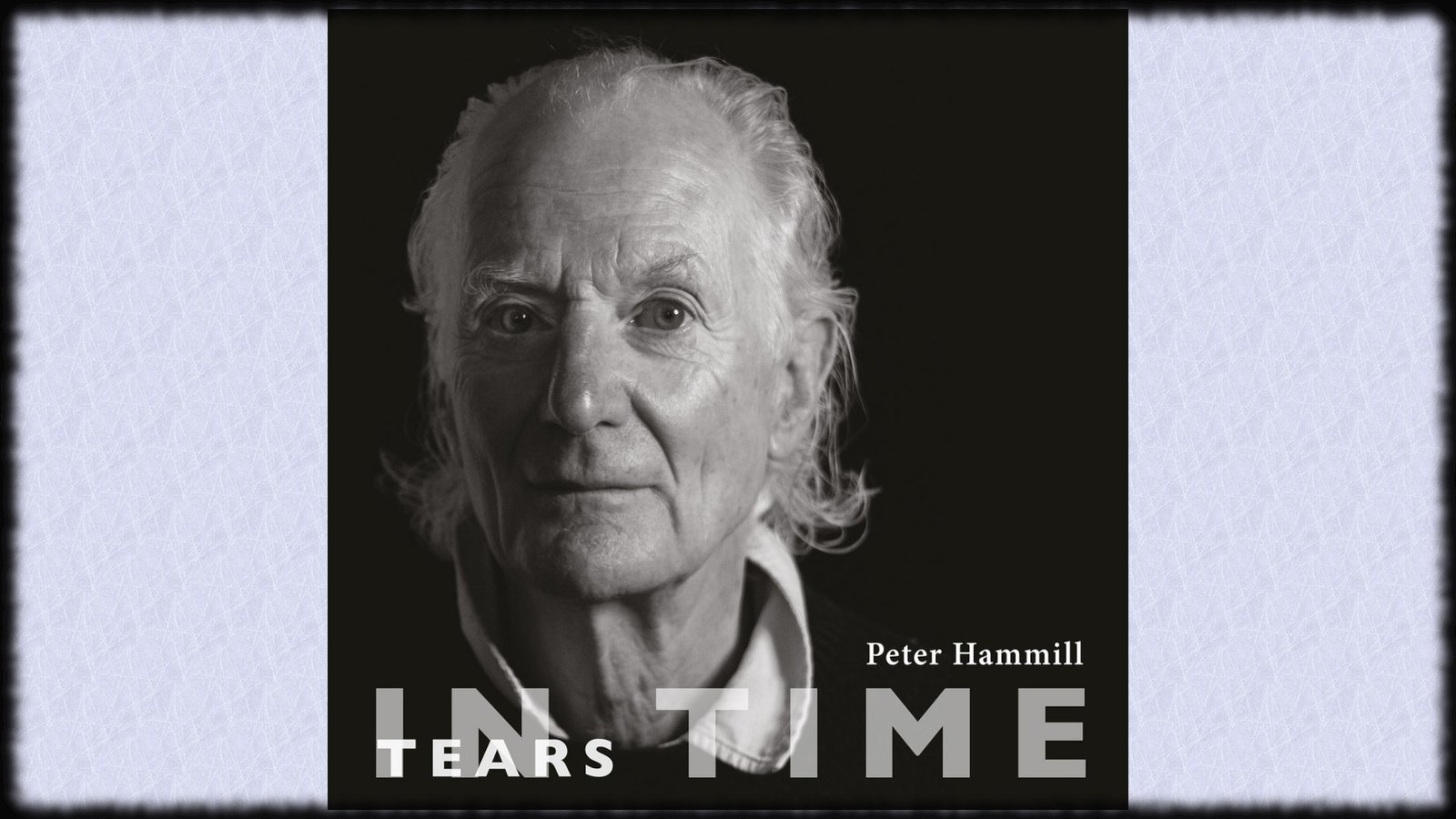
There is a particular ache in finishing something begun by a younger version of yourself. The hands are the same hands, though the person moving them has lived through years the old recording could not anticipate. Peter Hammill’s Tears In Time, released September 25, 2026, gathers work dating from 1991 to the present. Even the title will not settle on one meaning. Tears might fall down a face or open a seam. Hammill allows both. A record assembled over decades can make that double reading feel less like wordplay and more like the ordinary business of living long enough to hear yourself change.
Cherry Red’s release page lists recordings made in versions of Hammill’s Terra Incognita studio between 1991 and 2026. In a conversation, he explained that Heavy Weather and Tabula Rasa began as nearly complete experimental instrumentals, and that songs eventually emerged from those older pieces. This is a better way into the album than calling it a career retrospective. The old material was given new work to do. An archive can be tidy; this one had unfinished business.
The record opens with For A Rainy Day and closes with And When He Ran, according to Cherry Red’s track list. Those titles move from a general condition to a particular action. Hammill gave the ending its specific human scale in; the final song concerns his dog Bentley, whom he called Bendy. He was unsure whether to make it public. That hesitation belongs to the record’s frame as much as any grand statement about time.
Time Leaves Its Marks on Peter Hammill’s Songs
The years printed on a sleeve can look like an argument for continuity. Hammill’s interview complicates it. He says a person finishing a recording years later is not the same person who began it, and the earlier piece may acquire a new place in the work. Continuity here has room for disagreement between the person who began and the person who finished.
Heavy Weather offers a useful test of that idea. Hammill explained that an earlier version became a contribution connected to support for Ukraine, and explained that Ukraine informs the lyric’s wider concern with the present world. The song’s place here therefore resists the comforting notion that old sessions must lead only to private nostalgia. The title seems to point outdoors, then the artist names a political reality. That turn matters because time on this record is not merely something a person remembers; it is also the period in which other people remain exposed.
Tabula Rasa has a different path. Hammill describes its early form as experimental and instrumental, one of the pieces he did not initially expect to become a song. The phrase promises a blank slate, but the recording carried an earlier attempt inside it. That contradiction is more interesting than a clean metaphor of starting again. A new lyric can occupy an old structure without erasing its origin. The thought wanders toward the notebooks and drives people keep for work they cannot quite finish, then returns to the concrete fact of these two studio pieces, waiting decades for their present form.
A Small Goodbye at the End
There is a risk in making an album about endings; the last track can be asked to deliver an answer large enough for every preceding loss. Hammill has given And When He Ran a smaller, harder task. In an interview, he identified Bentley as its subject and described the remaining image as the dog’s movement through fields. The detail is incidental to any grand theory and indispensable to this song’s scale. An animal runs; a person remembers that motion. Nothing in the documented account asks the memory to cancel the loss.
Hammill also says that he often sings from a character’s position rather than writing a literal diary. That matters when the track list moves through titles such as The Wheels, So Much Water and You’ll Never Know. The temptation is to assign a single autobiographical key to every image. Resist that easy key. Even the title’s two pronunciations are left open by the artist himself. The listener has no obligation to turn a character into the singer, or to choose one meaning where he has chosen to leave two.
‘And When He Ran’ makes the scale suddenly smaller. A song connected with the loss of Hammill’s dog Bentley does not need to close a five-decade career or issue some great instruction about mortality. It needs to notice one companion missing. That choice is kinder, and sadder, than a grand finale. Tears In Time lets unfinished things return when they are ready, but it also knows that some returns cannot happen. There is room for both meanings of its title. That is plenty.
Listen to the full album or own a copy on Bandcamp
Find out why The Roaring Waves Is What Steve Hackett and Steve Rothery Sound Like Proving Nothing